
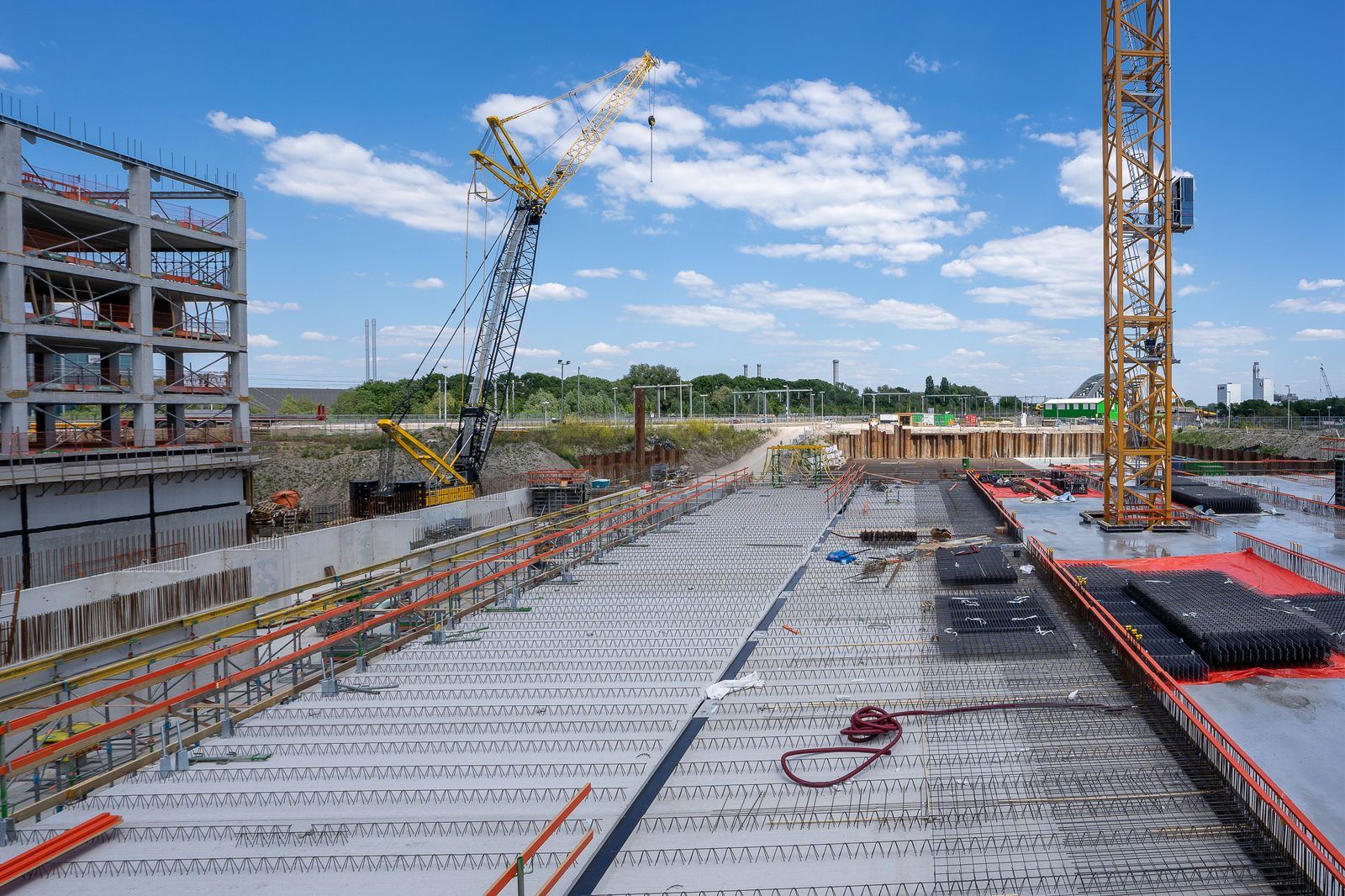
Construction crew carrying out a monitored concrete pour on a reinforced slab, the kind of sequenced operation a method statement has to set out step by step
RAMS knocked back? Fix it and get it accepted

Your RAMS came back again. Here is exactly why, and how to fix it.

A risk assessment and method statement is the most rejected document on a UK construction site, and it is almost never the work that is wrong. It is the paperwork: generic wording, PPE used as the first control, a method with no sequence, two halves that do not agree. Measure yours against a set written the way a principal contractor's adviser signs off, and fix the five things that get RAMS sent back.

www.structassure.co.uk • Written by a chartered construction and quality professional

The five reasons RAMS get rejected

Fix these five and most advisers accept it first time.

Each one is the same on every site in the country, and each is a quick fix once you can see it done properly. Our worked RAMS handle every one of them the way a principal contractor expects. For the detail behind these, the RAMS template guide works through the structure section by section.

01

It is generic, not written for this site and this task

A principal contractor's adviser can spot a template in seconds. Regulation 3 of the Management of Health and Safety at Work Regulations 1999 requires a suitable and sufficient assessment of the actual risks, so it has to name this task, this location, this crew and the real hazards. A document that could describe any job tells the reviewer nothing about yours.

02

It goes straight to PPE

Personal protective equipment is the bottom of the hierarchy of control, not the top. The controls have to work down the order: eliminate, then substitute, then engineer and isolate, then administrative controls, and PPE only for the risk that is left. A fall risk controlled by "wear a harness" and nothing else comes straight back.

03

The method statement is prose, not a sequence

A method statement is the job in order, step by step, each step naming who does it, the plant used and the control for that step. A paragraph describing the task in general is not a method a supervisor can follow or a reviewer can check. Each step should tie back to a hazard the risk assessment identified.

04

The two halves do not agree

The risk assessment and the method statement are one document. Every significant hazard in the assessment has to be controlled somewhere in the method, and every step in the method that carries a risk has to appear in the assessment. When the two contradict each other, the reviewer stops reading and sends it back.

05

No competent author, no brief, no sign-off

Blank names, no date, no record of the author's competence and no evidence the crew was briefed and understood it. A RAMS that is not controlled is not accepted. It has to show who wrote it, who checked it, who briefed the team and how they signed on before work started.

Judge the standard first

See the level everything is written to, for free.

Every StructAssure document is written to one test: would a Tier 1 reviewer accept it as submitted? The free worked inspection and test plan lets you apply that test before you spend anything. It is a different document to a RAMS, but it is from the same stable and written to the same standard, so it shows you exactly what you are buying into.

When you need the full set

RAMS Library: 20 trades, 43 worked documents, ready to edit.

A paired risk assessment and method statement for each of twenty construction trades, fully worked, cited to the current British Standards and regulations, in native Word. One price for all twenty, or a single trade if that is all you need.

What is in the library

  • Twenty trades, each with a site-specific risk assessment and a step-by-step method statement, written as one aligned document
  • Controls that follow the hierarchy of control, not straight to PPE
  • Cited to current regulations and British Standards, checked on the day of build
  • Author, checker, brief and sign-off records built in, so the RAMS is controlled
  • Native Word, unlocked, rebrand and reuse on every project in your company

Only need one trade? Pick a single risk assessment and method statement for £35 on the RAMS library page.

Why these get accepted

  • Site and task specific: worked examples you edit, not a generic template that could describe any job
  • The two halves agree: every hazard is controlled in the method, every risky step is in the assessment
  • Independently reviewed by a second chartered professional before release
  • 12 months of email supportFrom a chartered construction professional
  • Free updates when standards changeRe-issued to your Payhip download page
  • Not as described? Put right or refundedFaulty file or missing document: fixed or refunded within 7 days

Need the health and safety paperwork around it too? The full document range covers permits, COSHH, toolbox talks and site records, and everything is in the Complete Site Quality System.

Certification. These documents support your route to certification. They do not confer it. ISO 9001:2015 certification can only be granted by a UKAS-accredited certification body following audit.